
Illustrations · 7 October 2026

One terrace, three owners

The building does not change. The cash that reaches a person does. These illustrations use the stack from the method essay and then apply a deliberately simple tax sketch for 2026/27. They are not computations you should file.

Two people reviewing papers at a long oak table in a British study

Shared facts, so the comparison is fair

Price

£145,000

Freehold terrace, England

Rent

£800

A month, one month vacant

Loan

£108,750

75% interest-only at 5.25%

Cash in

£45,700

Deposit £36,250, SDLT £7,650, fees £1,800

English additional-dwelling SDLT on £145,000, on the 2026/27 higher rates we are using: 5 per cent of £125,000 is £6,250, and 7 per cent of the remaining £20,000 is £1,400. Total £7,650. Collected rent £8,800. Operating costs other than interest £2,116. NOI £6,684. Interest £5,709. Cash before any tax £975. Gross yield 6.62 per cent. Cash-on-cash before tax about 2.1 per cent.

Owner A

Basic-rate individual

Rental profit for tax ignores a full interest deduction. Finance-cost relief is given as a 20 per cent tax reduction. Sketch, assuming the person has no other twists and that every operating cost used above is allowable:

  • Profit before finance relief: £6,684
  • Tax at 20 per cent: £1,337
  • Reduction, 20 per cent of £5,709 interest: £1,142
  • Tax left: about £195
  • Cash after that tax: about £780

Thin, positive, and already assuming the vacant month and the reserve were honoured. A personal allowance interaction, other income, or a non-allowable cost changes it.
Owner B

Higher-rate individual

Same profit figure of £6,684, now imagined against a 40 per cent rate because other income has already used the basic-rate band. The finance-cost reduction stays at 20 per cent of the interest. It does not rise with the owner.

  • Tax at 40 per cent: £2,674
  • Reduction: £1,142
  • Tax left: about £1,532
  • Cash after that tax: about −£557

The building still produced £975 before tax. The higher-rate owner can owe more tax than that cash. This is the Section 24 point, drawn small on purpose. It is not a complete return.

Owner C

A company, still inside the company

A company carrying on a property rental business can generally deduct the interest. Profit after interest is the £975 of cash before tax. At a 19 per cent small-profits corporation tax rate the tax is about £185, leaving about £790 inside the company.

That £790 is not pocket money. Taking it as a dividend is taxed again in the shareholder’s hands, and the dividend allowance is small. Company mortgage pricing is often higher than the 5.25 per cent used here, which can eat the apparent advantage before the dividend question even starts. Accountancy costs are real and were not in the £2,116.

We are not suggesting a company. We are showing why “the company saves Section 24” is a half-sentence.

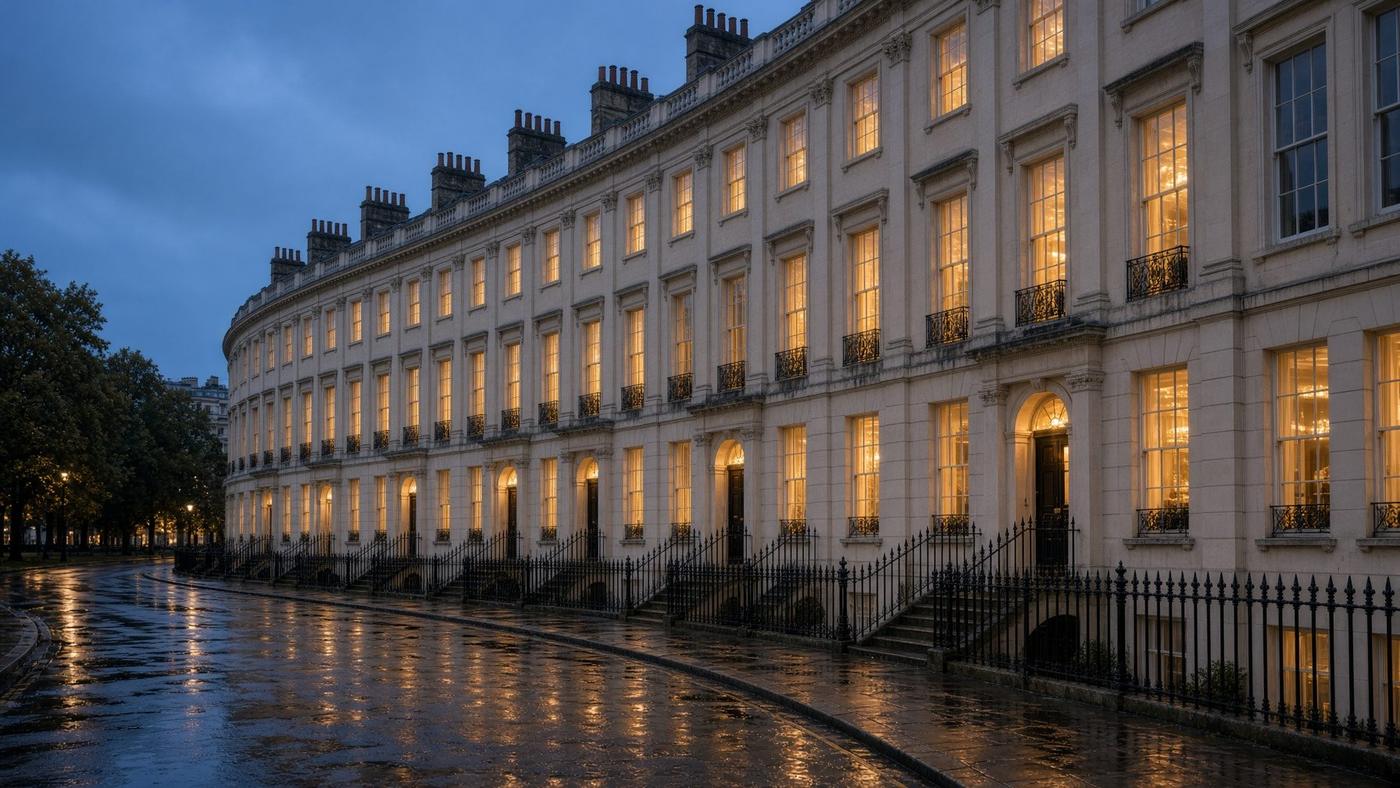
A Georgian crescent of townhouses at blue hour with wet streets

A southern contrast, still only an illustration

A leasehold flat at £425,000, rent £1,750 a month. Gross rent £21,000. Gross yield 4.94 per cent. One vacant month leaves effective rent of £19,250. Suppose service charge and ground rent of £2,400, management £2,310, insurance £400, reserve £900 and compliance £250. Operating costs £6,260. NOI £12,990.

A 75 per cent interest-only loan is £318,750. At 5.25 per cent the interest is £16,734. Cash before tax is about −£3,744, and the purchase cash includes a much larger SDLT bill. On the English higher rates: 5 per cent of £125,000, 7 per cent of the next £125,000, and 10 per cent of the remaining £175,000. That is £6,250 + £8,750 + £17,500 = £32,500, before fees. The gross yield was almost 5 per cent. The year needs new money.

Service charges rise, and major works can be demanded on top. A southern flat can still suit an owner who is buying for other reasons and can fund the gap. It does not suit an owner who needed the rent to pay the loan. Run your own inputs in the calculator.

What these pages will not do

They will not tell you whether to buy, sell, incorporate, or take a particular mortgage. Capital gains tax on a later sale — residential rates have been described for 2026/27 as 18 per cent and 24 per cent, with a small annual exempt amount — is a different sum from this year’s cash, and it depends on what you paid, what you sell for, and the reliefs that actually apply to you. Inheritance tax is a third conversation. Take those to a tax adviser who can see your whole picture. If you think a figure on this page has drifted from the published rules, write to the desk.